





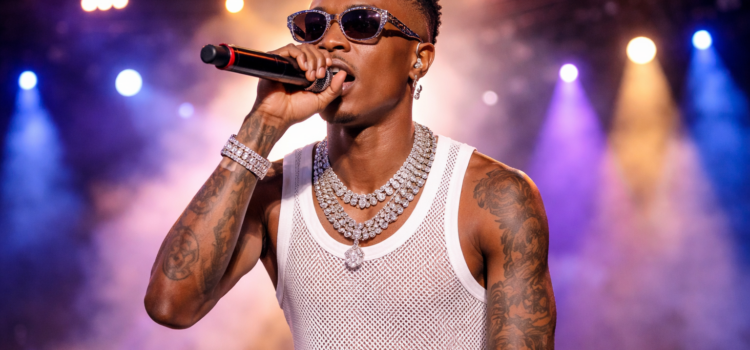
Wizkid has become one of Africa’s biggest music exports, but his journey started in the crowded streets of Ojuelegba in Lagos. From struggling to get studio time to setting global records, his rise shows how far talent and persistence can go.
Born Ayodeji Ibrahim Balogun on July 16, 1990, Wizkid grew up in a large interfaith family as the youngest of 12 children. Life was not easy. Money was tight, and recording music professionally felt out of reach.
Before fame found him, he was known for spending long hours at OJB Jezreel’s Point Beat Studios, hoping for a few free minutes to record. Friends and industry insiders called him a “studio rat” because of his dedication. He began music at just 11 years old under the name Lil’ Prinz and later formed a church group called the Glorious Five. Those early years shaped his sound and sharpened his craft.
His big break came in 2009 when he signed with Banky W’s Empire Mates Entertainment. The move changed everything. In 2010, he released “Holla at Your Boy,” a song that quickly gained attention across Nigeria. A year later, his debut album Superstar confirmed his place in the country’s growing pop scene.
By 2016, his career had crossed borders. His collaboration with Drake on the hit song One Dance pushed him onto the global charts. The track topped charts worldwide and earned him recognition in the Guinness World Records, making him the first Afrobeats artist to reach that milestone.
He continued to build his global profile through his contribution to Beyoncé’s song Brown Skin Girl. The project earned him a Grammy Award and strengthened his place among the world’s top music stars.
In 2020, he released the album Made in Lagos, another turning point in his career. The project featured the hit single Essence, which made history as the first Nigerian song to appear on the Billboard Hot 100. The achievement highlighted his role in bringing Afrobeats into mainstream global music.
Even with international fame and major festival performances like Rolling Loud, Wizkid often speaks about his success in simple terms. He has said his greatest achievement is lifting his family out of poverty. From waiting outside studios for recording scraps to headlining global stages, his journey mirrors the steady rise of African music worldwide.
Wizkid’s story is more than personal success. It reflects how Afrobeats has grown from local studios in Lagos to the biggest stages around the world. As his career continues, fans can expect him to keep shaping the sound of global music while opening doors for the next generation of African artists.
Comments